
 admin
adminArtificial Intelligence (AI) has become a transformative force in modern digital platforms, especially in the entertainment industry. One of its most impactful applications is the recommendation engine—a system designed to analyze user behavior and deliver personalized content in real time. These systems not only enhance user experience but also significantly improve engagement and retention.
A well-implemented example of this technology can be seen in MK8, where intelligent algorithms are used to tailor content and interactions based on user preferences. By leveraging AI-driven systems, platforms can create highly personalized environments that adapt continuously to each individual user.
🤖 What Is an AI Recommendation Engine?
An AI recommendation engine is a system that uses machine learning algorithms to predict what content a user is most likely to engage with. It analyzes vast amounts of data, including user behavior, preferences, and interaction history.
These systems operate by identifying patterns such as:
- Frequently accessed content
- User interaction time
- Past selections and actions
- Similar user behavior trends
Based on this data, the engine suggests relevant content, improving both user satisfaction and platform efficiency.
🧠 Types of Recommendation Systems
There are several types of recommendation engines commonly used in digital platforms:
1. Collaborative Filtering
This method analyzes user behavior and finds similarities between users. If two users have similar preferences, the system recommends content liked by one user to the other.
2. Content-Based Filtering
This approach focuses on the characteristics of content. If a user interacts with a certain type of content, the system recommends similar items.
3. Hybrid Systems
Modern platforms often combine both methods to achieve higher accuracy and better personalization.
Hybrid systems are widely used because they can overcome the limitations of individual methods and provide more reliable recommendations.
📊 Data Collection and Processing
The effectiveness of a recommendation engine depends heavily on data. Platforms collect various types of data to train their AI models, including:
- User interaction data (clicks, views, time spent)
- Transaction history
- Device and location data
- Behavioral patterns
This data is processed using machine learning algorithms to identify trends and predict future behavior.
Real-time data processing plays a crucial role here, allowing the system to update recommendations instantly as user behavior changes.
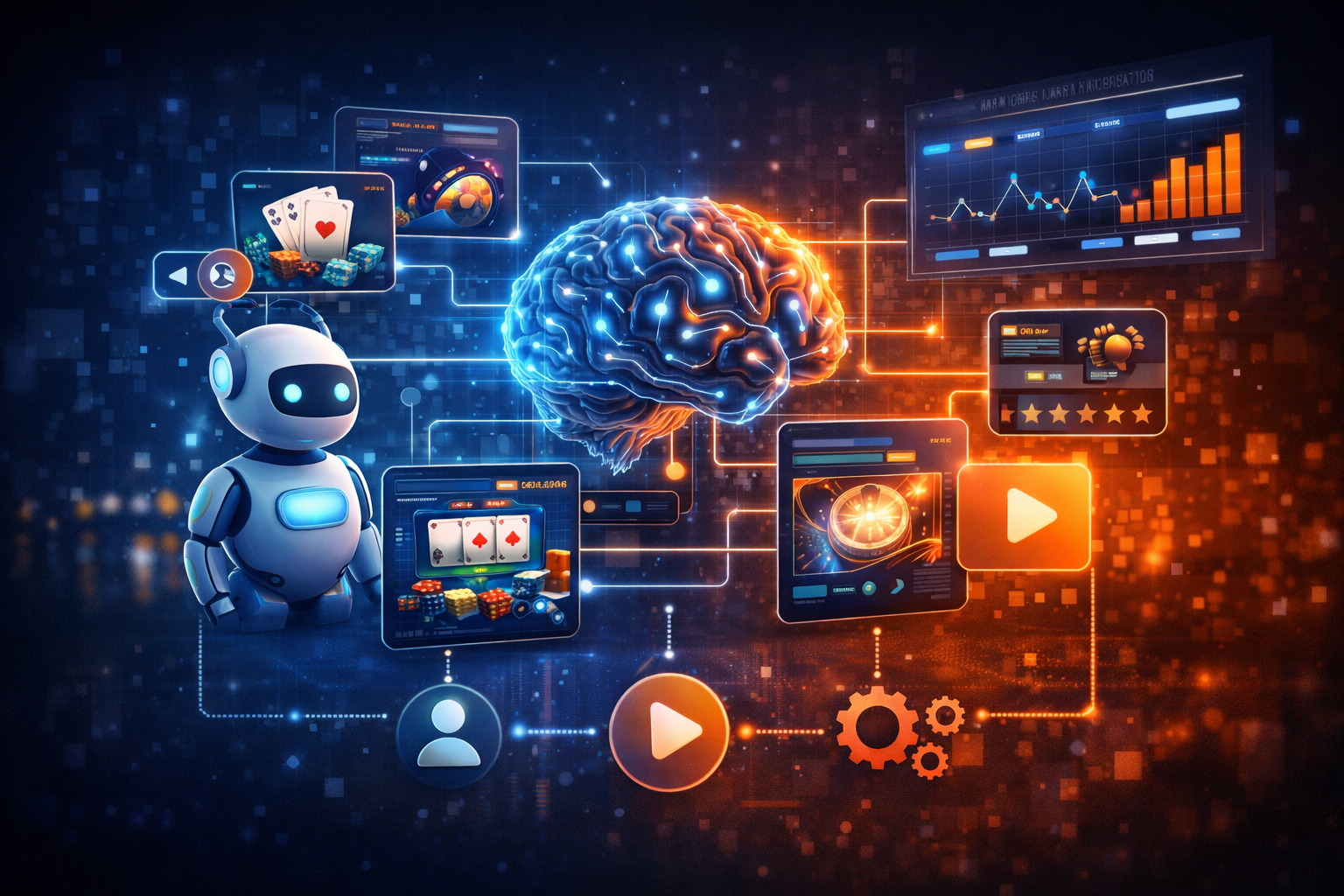
⚡ Benefits of AI-Driven Recommendations
AI-powered recommendation engines provide several key advantages:
🎯 Personalization
Users receive content tailored specifically to their interests, making the platform more engaging.
🚀 Increased Engagement
Relevant recommendations encourage users to spend more time on the platform.
💰 Higher Conversion Rates
Personalized suggestions can lead to increased transactions and user activity.
🔄 Continuous Improvement
Machine learning models improve over time as more data is collected, enhancing accuracy and relevance.
🔐 Privacy and Ethical Considerations
While AI recommendation systems offer significant benefits, they also raise concerns about data privacy and ethical use of information.
Platforms must ensure:
- Transparent data usage policies
- Secure data storage and processing
- User control over personal data
Balancing personalization with privacy is essential for maintaining user trust.
📱 Real-World Applications in Entertainment Platforms
In digital entertainment platforms, recommendation engines are used to:
- Suggest games or content based on user preferences
- Highlight trending or popular activities
- Provide personalized promotions and offers
- Optimize user navigation and discovery
These features create a more dynamic and engaging environment, encouraging users to explore and interact with the platform.
🚀 Future Trends in AI Recommendations
The future of AI-driven recommendation systems is rapidly evolving. Emerging trends include:
- Deep learning models for more accurate predictions
- Context-aware recommendations based on real-time conditions
- Voice and gesture-based interaction systems
- Integration with augmented and virtual reality
These advancements will further enhance the personalization and interactivity of digital platforms.
🎯 Conclusion
AI-driven recommendation engines are reshaping the digital entertainment landscape. By analyzing user behavior and delivering personalized content, these systems enhance user experience, increase engagement, and drive platform growth.
As technology continues to evolve, platforms that invest in intelligent recommendation systems will gain a significant competitive advantage. Personalization is no longer a luxury—it is a necessity in today’s digital world.